Class A
Light sorted
A grade below new pallets. Serviceable for storage, transport and MFH. Signs of use, but no soiling. All prescribed markings legible, no protruding splinters, no twisted blocks. ISPM 15 / IPPC not guaranteed.

Pallet knowledge
GS1 Germany initiated a study together with BSH, DHL, EDEKA, Globus, Henkel, Hornbach, MARS, Rewe, Schenker and others. The result is a set of practical recommendations for pallet exchange: used pallets are graded into classes A, B and C, plus “not serviceable”.
The GS1 classification for used euro pallets
A grade below new pallets. Serviceable for storage, transport and MFH. Signs of use, but no soiling. All prescribed markings legible, no protruding splinters, no twisted blocks. ISPM 15 / IPPC not guaranteed.
A grade below class A. Serviceable for storage, transport and MFH. Signs of use, darkening of the timber permitted. All prescribed markings legible, no protruding splinters, no twisted blocks.
A grade below class B. Serviceable for storage and transport – but MFH capability is not guaranteed. Not unreservedly suitable for automated high-bay racking and conveyor systems.
MFH = machine-handling capable, conveyor-compatible, suitable for high-bay racking.
Side by side
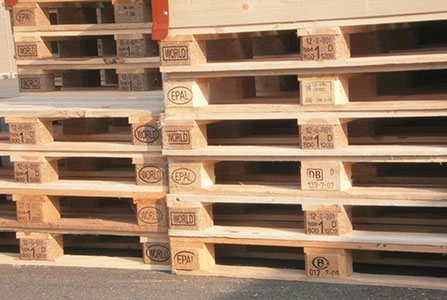
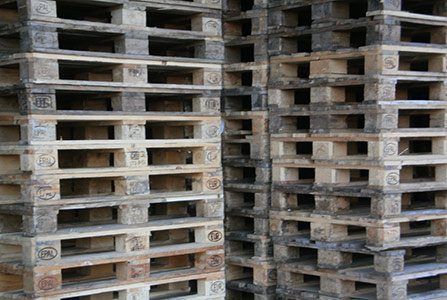
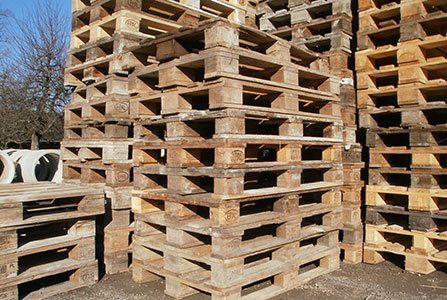
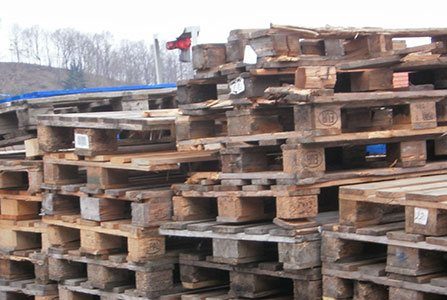
Interpretation
To simplify pallet handling for all customers of the WORLD pallet – including the participants in the study – the WORLD pallet is classified in line with the GS1 recommendation. This ensures consistent handling across industries and sectors.
In the long run pallet exchange cannot be an economical solution for efficient pallet management, because there is still no obligation to exchange. That is exactly where our “resale with added value” logistics concept comes in.